If there’s one thing I hear over and over from retirees and pre-retirees, it’s this:
“I thought Social Security wasn’t taxable… or at least not much.”
Unfortunately, that assumption is one of the most expensive mistakes I see people make in retirement planning.
Social Security itself isn’t the problem.
The tax rules surrounding it are.
And heading into 2026, this issue is becoming even more important due to higher interest income, larger retirement account balances, and growing Required Minimum Distributions (RMDs). Many retirees don’t realize they’ve walked straight into what’s commonly called the Social Security tax trap—until it’s already costing them thousands of dollars per year.
Let me explain what’s really going on, why it catches so many people off guard, and what I help my clients do before it becomes a permanent problem.
How Social Security Is Actually Taxed (Not What Most People Think)
Social Security benefits are not automatically tax-free. Whether—or how much—you pay in taxes depends on something called provisional income.
Here’s how provisional income is calculated:
- Your adjusted gross income (AGI)
- + any tax-free interest (like municipal bonds)
- + 50% of your Social Security benefits
Once that number crosses certain thresholds, your benefits become taxable.
2026 Provisional Income Thresholds
- Single filers
- $25,000–$34,000 → up to 50% taxable
- Over $34,000 → up to 85% taxable
- Married filing jointly
- $32,000–$44,000 → up to 50% taxable
- Over $44,000 → up to 85% taxable
That “up to 85%” figure surprises almost everyone. And no—that doesn’t mean an 85% tax rate. It means 85% of your Social Security benefit becomes taxable income.
The rules are set by the Internal Revenue Service and benefits are administered by the Social Security Administration—but understanding how the two interact is where most people fall short.
The Real Problem: The Social Security Tax Torpedo
The biggest issue isn’t that Social Security is taxed.
It’s how aggressively it’s taxed once you cross certain income levels.
This is what advisors often call the tax torpedo.
Here’s what happens in plain English:
- You withdraw an extra dollar from your IRA
- That dollar increases your provisional income
- Which causes more of your Social Security to become taxable
- Which increases your marginal tax rate far more than expected
In other words, a small increase in income can create a much larger tax bill than people anticipate.
I see this happen most often when:
- RMDs begin at age 73
- Pension income stacks on top of Social Security
- Interest income rises from CDs, bonds, or money markets
- Capital gains are realized without a plan
On paper, it looks manageable.
In reality, it quietly erodes your retirement income year after year.
Why This Becomes Worse in 2026
This issue is magnified heading into 2026 for several reasons:
1. Higher Interest Income
With rates elevated compared to the last decade, retirees are earning more interest—which increases provisional income even if spending stays the same.
2. Larger RMDs
Years of strong market performance have left many retirees with larger IRA balances, which means bigger required distributions.
3. Medicare IRMAA Surprises
Higher income doesn’t just affect taxes—it can increase Medicare premiums through IRMAA surcharges, creating a second stealth tax.
4. Expiring Tax Provisions
Current tax brackets are scheduled to revert unless extended, meaning some retirees may face higher marginal rates at the same time Social Security becomes taxable.
Free Download: Social Security Optimization Guide
Learn the strategies that could maximize your lifetime Social Security benefits.
Get Your Free CopyThis combination is exactly why proactive planning matters before benefits are claimed or RMDs begin.
How I Help Clients Reduce or Avoid the Social Security Tax Trap
There’s no single “magic” strategy—but there is a coordinated approach that works when implemented early enough.
Here are some of the tools I regularly use when designing retirement income plans.
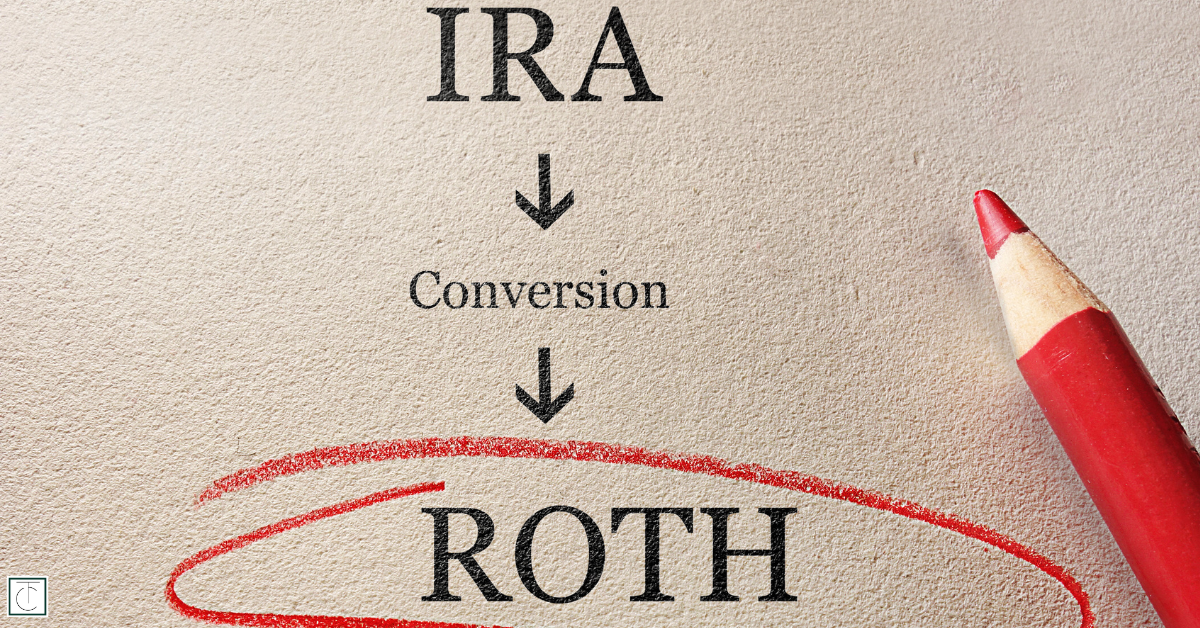
Strategic Roth Conversions (Before Social Security Starts)
One of the most powerful planning windows is after retirement but before Social Security and RMDs begin.
By intentionally converting portions of traditional IRAs to Roth IRAs during lower-income years, future taxable income can be reduced—sometimes dramatically.
This isn’t about avoiding taxes altogether.
It’s about paying them on your terms, not the government’s.
Income Smoothing Across Accounts
Pulling income from the right accounts at the right time matters:
- Taxable brokerage accounts
- Traditional IRAs
- Roth accounts
The order and timing of withdrawals can mean the difference between staying under a threshold—or triggering the tax torpedo.
Coordinating Social Security Claiming Decisions
When and how you claim Social Security should never be decided in isolation. It needs to be coordinated with:
- IRA balances
- RMD timelines
- Spousal benefits
- Survivor planning
Proactive Capital Gains Management
Capital gains don’t just affect investment taxes—they directly impact provisional income. Harvesting gains strategically can help avoid unnecessary taxation of benefits.
A Real-World Scenario I See Often
Consider a married couple in their late 60s:
- Both receiving Social Security
- One modest pension
- A $1.2M traditional IRA
- Conservative investments generating interest income
They’re not overspending. They’re not living extravagantly.
But once RMDs begin, suddenly:
- 85% of Social Security becomes taxable
- Medicare premiums jump
- Net spendable income drops—despite higher gross income
With proper planning done 5–10 years earlier, much of that could have been mitigated or avoided entirely.
Final Thoughts: Social Security Isn’t the Problem — Poor Planning Is
Social Security is one of the most valuable income sources retirees have.
The issue isn’t the benefit—it’s the lack of coordination with the rest of your financial picture.
The earlier you understand how taxes, withdrawals, and benefits interact, the more control you retain over your retirement income.
Most people only discover this tax trap after it’s already locked in.
My goal is to help clients see it coming—and plan around it.
If you’re within 5–10 years of retirement or already receiving Social Security, this is one of the most important conversations you can have. Strategic planning—not guesswork—is what turns retirement income into retirement confidence.

Thomas Clark is a Series 65 licensed investment advisor and experienced trader. He specializes in investing, retirement planning, and market analysis, helping individuals build wealth and make informed financial decisions.